Preventive dentistry is the practice of following best oral heath care regimen for
your teeth to keep them healthy . It involves education, treatment, regular dental
check-ups and practice of maintaining healthy teeth and gums. This helps to avoid
cavities, gum disease, enamel wear, and more.
Preventive dental care is key to keeping your teeth healthy throughout the course
of your life. Avoiding cavities, tooth wear-and-tear from grinding, enamel staining,
gum disease, and more are all goals of preventive dental care.
Preventive Dental Procedures
Preventive dentistry procedures range from the most basic services that have been
used successfully for decades, to recent technological innovations. These procedures
include:
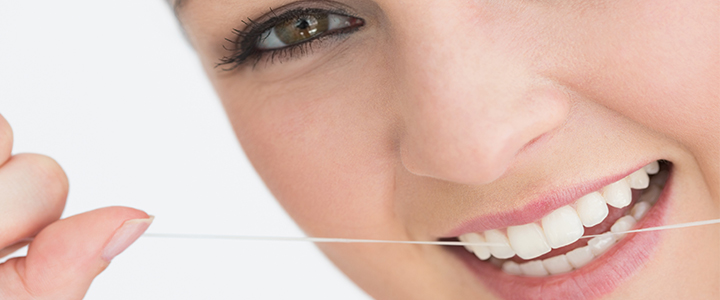
At-home oral hygiene maintenace: The most important prevention technique
is brushing and flossing at least twice a day (or after every meal) to remove remnants
of food and dental plaque, a film-like coating that forms on your teeth. If not
removed, plaque can build up and produce dental tartar, a hardened, sticky substance
with acid-producing bacteria that causes tooth decay and leads to gum disease.
Dental Sealants: These invisible plastic coatings seal the tiny grooves in
back teeth so they do not become havens for bacteria. They prevent cavities from
forming and the need for fillings later on.
Fluoride Application: This mineral is readily incorporated into the teeth's
mineral structure, thereby making them stronger and more decay-resistant. Fluoride
can even reverse tiny cavities that are starting to form. If you are not getting
enough from your toothpaste and drinking water, it can be applied directly to your
teeth at the dental office.
Laser Decay Diagnosis: Laser light can be used to detect early tooth decay
quickly and easily, right in the dental office — before full-blown cavities form.
Sports and Mouth Guards: Athletic mouthguards are designed to absorb and
distribute the forces of impact and minimize traumatic injury to both the hard and
soft tissues of the mouth. The best ones are custom-made for you by your dentist.
Mouth guards also are used to treat teeth grinding (bruxism), which can wear down
teeth and contribute to temporomandibular joint (TMJ) disorder.
Oral Cancer Screenings: Your best chance of surviving oral cancer — a disease
that affects not only lifelong smokers but also young non-smokers — is early detection
and treatment. Oral cancer screenings are a routine part of every regular dental
exam.
Salivary Diagnostics: This is an exciting new development in the field of
preventive dentistry. It is already possible to detect the presence of certain diseases
with a salvia test, and the technology is developing rapidly.
Routine X-Rays: For around a century, dentists have been using x-rays to
reveal signs of disease not visible to the naked eye. Now, with CAT scans, they
have become three-dimensional and are an indispensable tool to diagnose tooth decay,
gum disease, bone density, bone volume and tumors.
Orthodontics: A bad bite (malocclusion) can impair eating and speaking, and
crooked teeth are hard to keep clean. Correcting an improper bite with orthodontics
that may include the use of dental braces or clear teeth aligners (invisible braces),
such as Invisalign or Invisalign Teen, limits the possibility of future dental problems.
Patient education: Patients who understand the outcome of poor dental health
are likelier to see their dentist for preventive dentistry treatments. Instilling
excellent oral hygiene habits significantly helps ensure a lifetime of dental health.
Visit Your Dentist: You should see your dentist at least twice per year,
or every six months, for an exam to check for any problems in the teeth or gums.
If you’re at a high risk for dental problems, you’ll likely benefit from more frequent
dental visits. Dental cleanings and exams allow dentists to identify problems and
take care of them right away.
Your role in preventive dental care
- Brush your teeth at least 2 times a day: Bushing usually in
morning and at night. Dentist can recommend the best toothbrush and toothpaste for
you.
- Floss daily to remove the food that is left and stuck between teeth.
- Mouthwash to rinse out food particles after flossing.
- Avoid acidic foods that can harm tooth enamel.
- Be careful with hard foods, like some candies, foods with bones,
seeds, or pits that could damage or chip teeth.
- Don’t smoke or use tobacco products.
- Use a mouth guard when participating in certain sports.
- If you grind your teeth at night, ask your dentist for a nighttime
mouth guard to help reduce gum recession.
- Use proper techniques to properly brush.
Preventive dentistry for children
As soon as a child gets their first tooth, preventive dental care can begin. Preventive
dentistry for kids can help identify problems early on in your child’s life before
dental problems become worse and often more costly. Promote good dental habits,
including brushing and flossing, guidance on thumb sucking, as well as advice on
eating habits that help improve dental health.
Benefits of preventive dentistry
With good dental hygiene, you can greatly reduce your risk of getting cavities,
gingivitis, periodontitis, and other dental problems. This, in turn, can reduce
your risk of secondary problems caused by poor oral health.
Considering that oral health is linked to overall health, preventive dentistry is
important to your overall well-being. Oral diseases can interfere with eating, speaking,
daily activities and self-esteem. In children, severe decay can affect growth and
development. Preventive dentistry can result in less extensive – and less expensive
– treatment for any dental conditions that may develop, and help you keep your natural
teeth for a lifetime.
Regular preventive dental exams provide the following benefits to your Oral Health
- Early identification of dental problems may help minimize treatment and cost.
- Reduce and lowers risk for developing tooth decay, plaque,
gum disease, and other dental problems.
- Promote good oral hygiene habits, such as brushing, flossing
your teeth at least twice a day.
- The earlier a dental problem is fixed, the lower the treatment cost can be.
- A full examination of your mouth, jaw, and neck can identify any general health
issues.