With over 40,000 new cases diagnosed each year, oral cancer has become the sixth
deadliest cancer in the world. In fact, oral cancer claims the life of one American
every hour. At Gainesville Dental Arts we take this issue very seriously
and strive to provide the best detection and prevention methods possible.
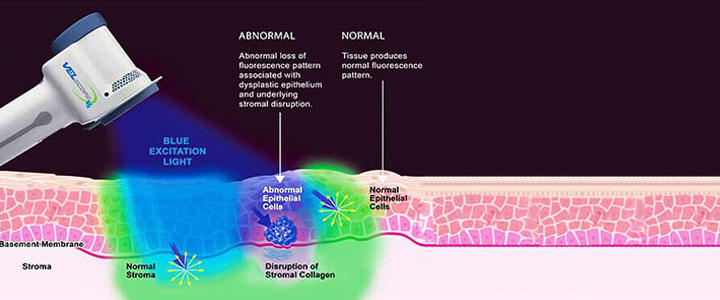
Oral cancer is a serious health risk and should not be taken lightly. Early detection
is key to prevention, so please don’t hesitate to schedule an exam, including full
oral cancer screening.
Cancer is a scary word, but the more you know about it, the better able you will
be to protect yourself and the ones you love. This is particularly true of oral
cancer, which is very treatable if caught early. Unfortunately, about two-thirds
of oral cancers are not caught until the late stages. You may think that if you
are a non-smoker, particularly a young one, this topic is not of concern to you.
If so, please think again.
While most oral cancer patients are smokers, the fastest-growing segment of newly
diagnosed cases is young, non-smoking adults. The culprit is a particular strain
of the Human Papilloma Virus (HPV). HPV is the most common sexually transmitted
disease in the U.S., with about 20 million Americans infected. In fact, it is estimated
that at least half of all sexually active people will contract it during their lives.
Most strains (and there are over 100) lead to symptoms no more serious than warts,
and in many cases a person's own immune system can rid the body of the disease within
two years. The strain known as HPV16, unfortunately, is different. By inserting
its own DNA into human cells, the virus can cause a mutation that turns normal cells
into malignant ones. You may already be aware that HPV16 has been linked to cervical
cancer. We now know it is also responsible for many new cases of oral cancer.
Signs & Symptoms
Most of the lumps, bumps, and occasional sores you find in and around your mouth
are completely harmless. But you should look out for changes such as white or red
patches, ulcers and lumps anywhere in and around your face and neck that persist
for more than a couple of weeks. A persistent sore throat or hoarseness is also
cause for concern. Most oral cancers are "squamous" (scale-shaped) cell carcinomas.
The sides of the tongue are the most common sites for these small lesions. Because
the tongue has a rich blood supply and a direct connection to the lymphatic system
(a part of our immune system), it's a site from which cancer can easily spread.
The floor of the mouth under the tongue is the second most common site. Cancerous
lesions on the lower lip, which are usually preceded by chronic sun exposure, are
not uncommon.
Diagnosis & Treatment
Regular screening for oral cancer is one of the most important services provided
at a dental office. A regular dental checkup includes a visual and tactile (touch)
examination for any signs of oral cancer or precancerous lesions in and around your
mouth and throat. Anything that looks suspicious, may be analyzed with a routine procedure called a biopsy, in which a small amount of the suspicious tissue is sent to a laboratory for microscopic inspection.
This is the best way to get a definitive diagnosis. Should the lesion turn out to
be cancerous, the rest of the malignant tissue will be removed. It's possible that
radiation and/or chemotherapy will be needed to eradicate the disease. As mentioned
before, when treatment occurs early, the survival rates are excellent.
Prevention
There are lifestyle choices you can make to reduce your risk considerably. Giving
up tobacco in all forms, along with alcohol are big ones. Avoiding risky sexual
behavior is also important. Protect yourself from overexposure to the sun, and eat
a healthy diet. Research has consistently found that a high intake of fruits and
vegetables is protective against oral and throat cancer; a good diet will also bolster
your immune system. And please remember to schedule regular checkups here at the
dental office. An oral cancer screening takes just a few minutes, but it could save
your life.